

 https://mail.innews.az/uploads/news/2026-11/_innews_0e817a3aecc8f856a1e50a02f_o.jpg
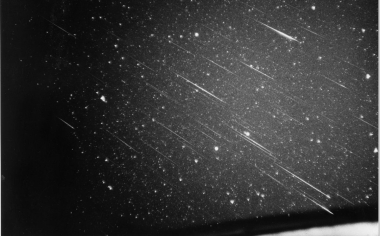
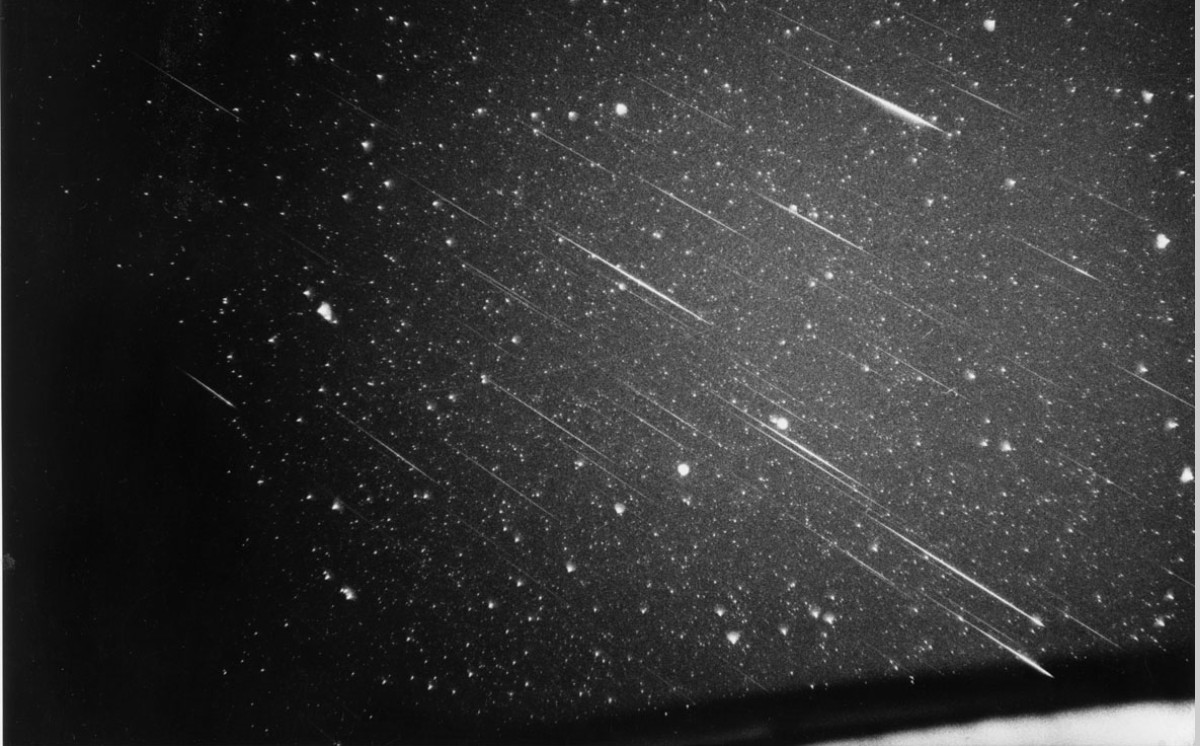
According to the Department of Astrophysics at the Faculty of Physics of Baku State University (BSU), the Leonid meteor shower will be visible in Azerbaijan from November 6 to 30. The shower is expected to peak at 03:45 Baku time on November 18, when approximately 15 meteors per hour are forecast to be visible.
The most favourable conditions for observing the Leonids in Azerbaijan are expected during the night of November 17–18, particularly between 02:00 and dawn. Around the time of the peak, the Moon will have set, creating relatively favourable conditions for observing even fainter meteors.
The Leonid meteor shower occurs annually as Earth passes through a stream of dust and small particles left along the orbit of Comet 55P/Tempel–Tuttle. This short-period comet completes one orbit around the Sun approximately every 33.2 years. It was independently discovered by German astronomer Wilhelm Tempel in 1865 and American astronomer Horace Tuttle in 1866, and was subsequently named after both astronomers.
The Leonids are distinguished by their exceptionally high speed. Their particles enter Earth's atmosphere at approximately 71 kilometres per second, or 255,000 kilometres per hour, making this one of the fastest known meteor showers.
As they interact with Earth's atmosphere, meteor particles heat up and disintegrate, producing glowing trails of ionised gas along their paths. From the Earth's surface, this phenomenon appears as bright streaks of light moving rapidly across the night sky.
The radiant of the Leonids – the point in the sky from which the meteors appear to originate – is located in the constellation Leo. The meteor shower takes its name from this constellation. However, meteors can be observed in different parts of the sky, not only near the radiant.
The Leonids are also renowned in the history of astronomy for producing spectacular meteor storms. Particularly intense events recorded in 1833, 1866, 1966 and between 1999 and 2002 attracted considerable scientific attention. Such storms occur when Earth passes through particularly dense concentrations of debris along the comet's orbit.
However, no meteor storm of comparable intensity is expected in 2026.











Ən son xəbərləri səhifəmizdən də izləyin